The Perfect Weekend Plan Is a Myth
The perfect weekend plan leaves room to change course, so leisure feels chosen rather than owed and an open stretch of the day can remain your own.
The perfect weekend plan leaves room for the day to change. A Saturday filled with brunch, errands, a museum visit, and dinner can look satisfying on a calendar while feeling like a string of appointments once you are living it.
That mismatch is easy to miss because leisure plans often begin as invitations, not demands. Yet enough pleasant commitments can turn free time into work with better scenery. Leaving one part of the day unassigned offers a modest alternative: not a blank weekend, but a little room to decide what would feel welcome when the moment arrives.
A packed Saturday can become another workday
Imagine Maya, a clearly hypothetical person who has spent a demanding week looking forward to Saturday. She agrees to meet a friend for coffee, books a museum visit, plans to pick up groceries, and promises to cook dinner for family. None of these plans is unreasonable on its own.
She puts each one on her calendar, including travel time, and notices that nearly the whole day has a destination. At first, the schedule reassures her: the weekend will not disappear into indecision. But it also gives every pause a job. If coffee runs late, she may watch the museum visit shrink; if she feels tired, she may still push herself because dinner is waiting at home.
The issue is not that Maya has chosen badly. It is that each plan has started to claim not only its own time but the transitions around it: getting dressed, traveling, recovering, and deciding what to do next. A day can feel crowded even when its calendar contains only a few entries.
Keep the plans that feel like invitations
Maya looks again and asks what she is genuinely looking forward to. Coffee with her friend matters most because they have not had an unhurried conversation lately. The museum is appealing, but mostly because she feels she ought to make the most of Saturday. The grocery run can wait until another day, and dinner can be simpler.
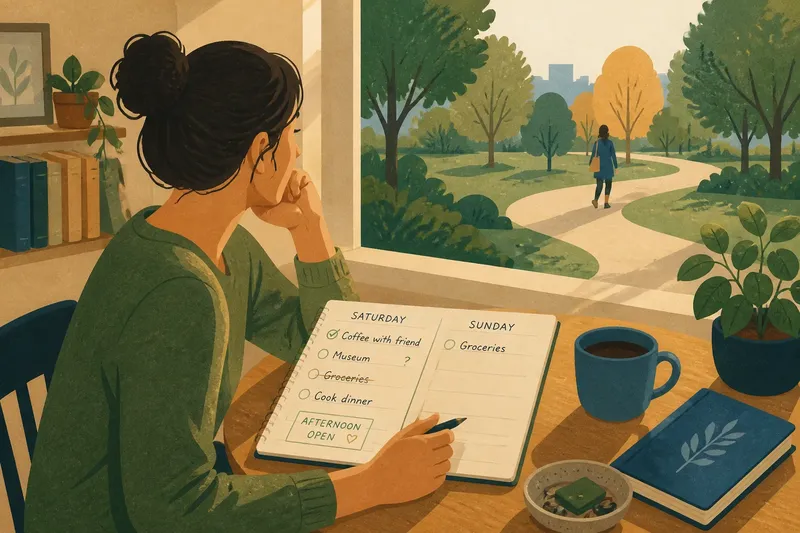
She keeps the coffee plan and leaves the museum tentative rather than treating it as a commitment. She also moves the errand off Saturday. This is not a formula for deciding what matters; it is a way to distinguish a chosen pleasure from a task wearing a pleasant disguise.
A useful question is whether a plan still sounds good when you include its full shape. A neighborhood walk may be a pleasure; driving across town, finding parking, and rushing through it may not be. That difference does not make the outing wrong. It helps you choose it with a clearer sense of what the day is asking of you.
Let one stretch stay unassigned
Maya leaves the afternoon open. She does not reserve it for chores, call it “recovery time,” or create a backup list of activities. The open space is the plan: a stretch she can use if something appeals, or let pass without needing to account for it.
On Saturday, coffee lasts longer than expected. Afterward, Maya walks home through a nearby park and feels content to spend some time at home. She skips the museum without a sense that the day has gone wrong. The observable result is simple: she makes the next choice from how she feels, rather than from a promise she made earlier to use every available hour.
Leaving a stretch open is not the same as expecting a perfect, spontaneous afternoon. It can contain a nap, a slow lunch, a book, or no memorable activity at all. The point is that none needs to justify its place in the schedule.
Use a light frame, not a minute-by-minute script
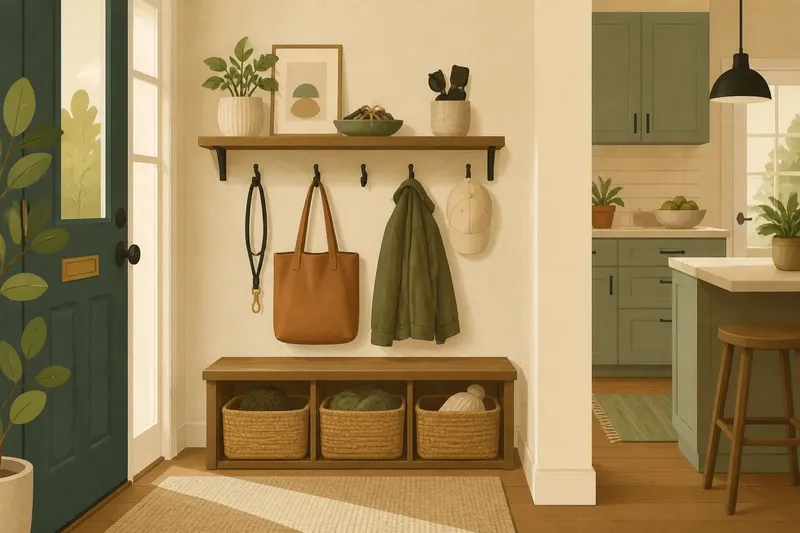
An entirely unstructured weekend does not suit everyone. If a day feels easier with some shape, choose one anchor—a brunch, a matinee, or a visit with someone you care about—and let the surrounding time stay flexible. Think of the anchor as a hook on a wall: it holds one useful thing without requiring every other object to hang beside it.
Keep practical needs visible without letting them take over the day. Maya might decide to buy groceries on Sunday, when she already expects to be near the store, rather than carrying the errand as a vague Saturday obligation. If a chore truly cannot wait, pairing it with an existing outing may make more sense than building a separate sequence around it.
It can also help to leave transitions generous. A plan that ends with enough room to get home, sit down, and decide what comes next feels different from one that sends you straight into another appointment. Spare time is not wasted merely because it has no named destination.
What makes an open weekend feel useful?
Does leaving time open mean I should avoid making plans?
No. Keep plans that bring connection, pleasure, or needed structure, and leave some surrounding time free of obligation. The aim is choice, not an empty calendar.
What if I feel restless when nothing is scheduled?
Give yourself a few low-pressure options, such as a familiar walk, a library visit, or reading at home, without assigning one in advance. Having possibilities nearby can make open time feel less like a demand to invent something.
How can I make room if other people depend on my weekend?
Start by identifying which commitments are fixed and which can move, then protect a small unclaimed stretch through a clear conversation. The amount of open time matters less than making the boundary visible and realistic.
What if I enjoy a full schedule?
A full day can be genuinely enjoyable when its plans feel chosen and the pace suits you. Notice whether you finish energized or mainly relieved that the obligations are over, and adjust the next weekend accordingly.
Judge the weekend by its feel, not its coverage
By Sunday evening, Maya has not visited the museum or completed the grocery run. She has had the conversation she wanted, taken a walk, and let the afternoon unfold without turning every empty patch into a problem. For her, that is a better account of the weekend than a list of places visited.
The perfect weekend plan is a myth because no schedule can settle in advance what you will want after a busy week. A practical plan makes room for one clear choice and one unclaimed stretch, then lets the day offer information of its own. When you sketch your next weekend, keep the commitments you care about—and leave one part of the day yours to decide.